There’s a peculiar freedom that comes from stepping into a motorhome and driving away with everything you need tucked behind you. No hotels, no rigid itineraries, just a living space that moves with your curiosity. Whether you’re drawn to the compact stealth of a camper van or the roomy luxury of a Class A, the world of motorhomes is as broad as the open road. This guide walks you through types, layouts, systems, budgeting, maintenance, legalities, tips for driving and living, and the small decisions that make big differences on trips. Read it as a field guide, a planning workbook, and a travel pep talk all rolled into one.
What Is a Motorhome? Quick Definitions and Main Categories
At its simplest, a motorhome is a motorized vehicle that includes living accommodations. People often use the term interchangeably with RV, campervan, or coach, but there are distinct categories that matter when you’re choosing or planning a trip.
Common motorhome types
- Class A: Large, bus-like coaches built on heavy chassis. Luxurious and spacious, often aimed at long-term travel.
- Class B (camper vans): Compact, stealthier, nimble. Built on van chassis and ideal for single travelers, couples, or minimalists.
- Class C: Mid-size, recognizable by the over-cab sleeping area. A balance of space and drivability.
- Travel trailers and fifth wheels: Towable units; not motorized but often grouped with motorhomes because they serve the same lifestyle.
- Truck campers: Units that slide into the bed of a pickup—versatile and off-road friendly for outdoor enthusiasts.
Which Motorhome Is Right for You?
Choice starts with honest answers to a few practical questions: How many people will travel? Do you want off-grid capability? Will you be living full-time or just taking weekends? What’s your towing experience? The right type aligns with your travel style, budget, and tolerance for driving something large.
Match your needs to vehicle types
If you crave luxury and have the budget, a Class A gives you a living room on wheels with slide-outs and large tanks. Camper vans win for stealth and city driving; they often get you into narrow streets and urban parking where larger rigs can’t go. Class C models are the best compromise for families who need sleeping space without the expense or handling of a big coach. Towables offer a separation of vehicle and home—tow into a campground, detach, and use your vehicle to explore locally.
Table: Comparison of Motorhome Types
| Type | Typical Length | Typical Price Range (USD) | Best For | Key Pros | Key Cons |
|---|---|---|---|---|---|
| Class A | 30–45 ft | $120,000–$500,000+ | Full-timers, luxury travelers | Spacious, lots of amenities, large tanks | High cost, fuel use, difficult in tight spaces |
| Class B (Camper Van) | 16–22 ft | $60,000–$150,000 | Solo travelers, couples, urban explorers | Fuel-efficient, nimble, stealthy | Limited space, fewer amenities |
| Class C | 20–32 ft | $80,000–$200,000 | Families, mixed use | Good balance of space & drivability | Over-cab bulk, still large for city driving |
| Travel Trailer | 10–40 ft | $10,000–$100,000+ | Towing-capable travelers | Wide choice, detach vehicle at campsite | Requires tow vehicle, parking/storage issues |
| Fifth Wheel | 20–45 ft | $20,000–$150,000+ | Long-term travelers with heavy-duty truck | Large living space, often two-story layouts | Needs a truck with a special hitch |
| Truck Camper | 8–20 ft (overall) | $10,000–$50,000+ | Off-road adventurers | Compact, rugged, good off-grid capability | Limited interior space |
Layout and Floorplan: What to Look For Inside
Open the door and the floorplan is what will dictate day-to-day comfort more than anything. Think about how you’ll use the space: cooking, working, socializing, sleeping. Look beyond styling; imagine mornings, rainy days, three people in the living area, or folding a pet bed out of the way.
Important layout elements
- Kitchen size and counter space: Countertops matter; a tiny galley is fine for coffee, not for full meal prep.
- Bathroom layout: A separate shower and toilet is luxury; combined wet baths save space but can feel cramped.
- Sleeping arrangements: Consider bed size and accessibility. Dinette-to-bed conversions add flexibility.
- Storage: Check both interior and exterior storage; easy access to commonly used items is a plus.
- Slide-outs and ceilings: Slide-outs expand living space, while higher ceilings reduce claustrophobic feelings.
Practical floorplan tips
Spend time sitting in the space. Pretend to prepare a meal, sit on the toilet, open every cabinet. If possible, bring a tape measure and clip a few items—your suitcase, a folding chair, a cooler—into the vehicle to ensure they fit. Make a list of must-haves (e.g., oven, full shower, queen bed) and negotiate on the extras.
Systems 101: Electrical, Water, Propane, and Waste
Understanding the mechanical systems will save you headaches and money. They’re the parts that make living on the road comfortable: power for lights and appliances, fresh water, waste containment, and heat or cooling. They also determine how self-sufficient you can be off-grid.
Electrical system basics
Most motorhomes have a 12V system for lights and some appliances and a 120V/230V system for household appliances when connected to shore power or using an inverter. Key components include the battery bank, converter/charger, inverter, shore power hookup, and sometimes solar panels and a generator.
- Batteries: Lead-acid (flooded, AGM) or lithium (LiFePO4). Lithium costs more up front but provides more usable capacity and longer life.
- Solar: Typical systems range from a few hundred watts to over 1,000 watts on large rigs. Solar reduces generator use and extends off-grid stays.
- Generators: Gas or diesel gensets provide AC power but are noisy, consume fuel, and require maintenance.
- Inverters: Convert 12V DC to 120V AC for outlets; size matters—larger inverters handle microwaves and air conditioners.
Water and waste systems
Freshwater, gray water (sinks and showers), and blackwater (toilet) tanks come in various sizes. Larger tanks mean longer self-contained stays; smaller tanks reduce weight but increase dump frequency. Tank heaters and insulated compartments are vital if you plan to travel in cold climates.
- Water heater types: On-demand (tankless) or tank-based. Tankless saves space and can offer continuous hot water.
- Toilets: Standard RV flush, cassette, composting, or macerating toilets each have tradeoffs in convenience and waste handling.
- Filters: Inline water filters and carbon systems improve taste and safety while on the road.
Power Management: Batteries, Solar, and Efficiency
Power is the currency of off-grid freedom. Investing in a robust battery bank and decent solar array changes the way you travel. It’s not glamorous, but it’s transformative: making coffee at dawn, running a fridge in the desert, and charging cameras without a noisy generator.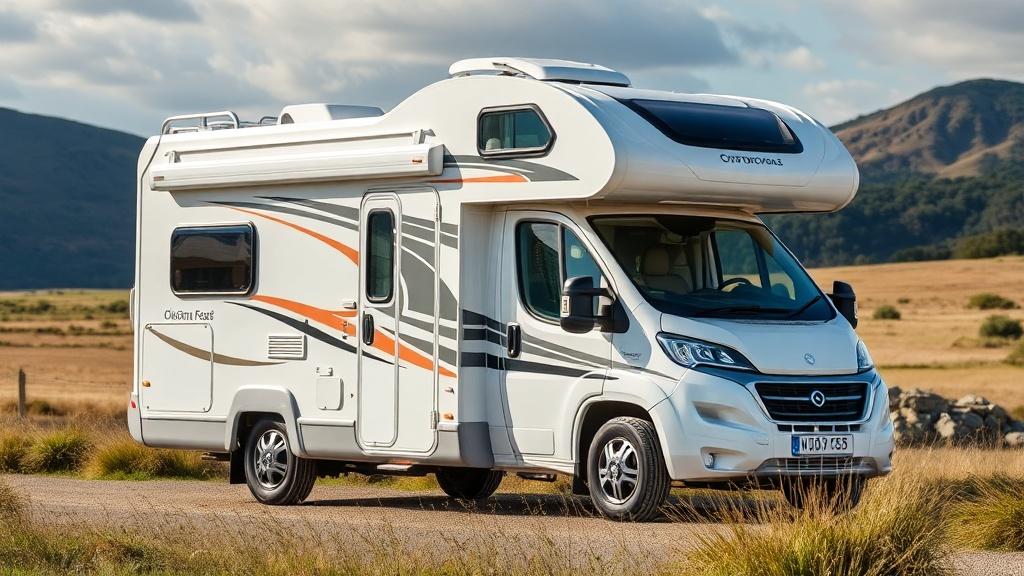
Battery types and sizing
Lead-acid batteries are inexpensive but heavy and require regular maintenance if flooded. AGM is maintenance-free but still heavy. Lithium batteries cost more per kWh but are lighter, can be discharged deeper, and last much longer. For most frequent off-grid users, lithium makes economic sense over several years.
- Rule of thumb: Estimate your daily watt-hour use (fridge, lights, electronics) and size the battery bank so usable capacity covers at least two cloudy days.
- Example: If you use 2,000 Wh/day, a 4,000 Wh usable bank (about 400 Ah at 12V lithium) gives two days without charging.
Solar considerations
Solar panels produce peak output under ideal conditions; expect 60–80% of rated power on average in many climates. Mounting angle, shade, and panel efficiency all matter. MPPT charge controllers squeeze more energy out of panels than PWM units and are worth the extra cost in most installations.
Costs and Budgeting: Purchase, Ownership, and Running Costs
Motorhomes can look affordable at first glance and expensive the moment you add insurance, maintenance, and campsite fees. Budget realistically: purchase price is just the beginning. Factor in fuel, depreciation, insurance, storage, maintenance, taxes, and campground fees.
Typical cost breakdowns (ballpark)
- Purchase: New camper vans $60k–$150k, Class C $80k–$200k, Class A $150k–$500k+, travel trailers $10k–$100k+
- Fuel: Varies wildly—diesel Class A could be 8–12 mpg; a camper van might be 18–25 mpg.
- Insurance: $1,000–$3,000/year depending on coverage, value, driver record, and usage.
- Maintenance: Plan for a few hundred to a few thousand dollars per year—engine service, chassis, appliances, roof seals.
- Campground fees: Free dispersed camping to $50–$100+ per night at premium resorts; memberships can reduce costs.
Table: Typical Annual Ownership Costs (estimates)
| Expense | Low | High | Notes |
|---|---|---|---|
| Fuel | $1,500 | $10,000 | Depends on miles driven and MPG |
| Insurance | $800 | $3,000 | Based on value and coverage |
| Maintenance & Repairs | $1,000 | $6,000 | Includes engine, appliances, roof, chassis |
| Storage/Registration | $200 | $2,000 | Storage varies by location |
| Campgrounds & Fees | $300 | $5,000 | Mix of free and paid stays |
Buying New vs. Used
New motorhomes offer warranties and the latest tech but come with depreciation that hits hard in the first few years. Used rigs can be bargains, but they require careful inspection. Mechanical issues, water damage, and neglected maintenance are common pitfalls in used units.
Used motorhome inspection checklist
- Roof and ceiling: Signs of water stains, soft spots, or mold.
- Flooring: Soft or bouncy areas indicate rot.
- Appliances and systems: Test the stove, fridge, water heater, AC, furnace, and plumbing.
- Engine and chassis: Service history, oil leaks, unusual noises on a test drive.
- Electrical: Check battery age, inverter, shore power, and any aftermarket wiring.
- Tires: Look for dry rot, uneven wear, and age—tires over six years often need replacing regardless of tread.
Professional inspections
Consider hiring an RV surveyor or technician for a pre-purchase inspection. They’ll uncover problems you might miss and save you money in the long run. The fee is small compared to the cost of hidden damage.
Insurance, Registration, and Legalities
Rules vary by country and state, so check local requirements for registration, licensing, and insurance. Some larger motorhomes may require specialized endorsements or commercial-style registration. Liability coverage is essential; consider comprehensive and uninsured motorist protection if you plan to travel widely.
Licensing and weight limits
Most places allow you to drive motorhomes up to a certain GVWR with a regular driver’s license. Exceeding that threshold may require a commercial license or special permit. Check the vehicle’s plated GVWR and compare it to your license restrictions before purchase.
Insurance tips
- Get full RV insurance quotes, not just auto insurance—these policies cover habitation, personal belongings, and roadside assistance tailored to RVs.
- Consider gap insurance if financing a new rig to protect against rapid depreciation.
- Keep detailed inventories and receipts for personal items to simplify claims after theft or damage.
Driving and Handling: Practical Advice
Driving a motorhome is driving with a house behind you: wider, taller, and longer turning radius. The first few drives feel awkward. Take your time, practice in empty lots, and build confidence slowly.
Essential driving tips
- Practice turns: Make wider turns; the rear end tracks inside the front in long rigs.
- Watch the wind: High-sided vehicles are susceptible to crosswinds—slow down when gusts pick up.
- Mirrors and cameras: Upgrade for good visibility. Backup cameras are invaluable for parking and avoiding obstacles.
- Weight distribution: Load heavy items low and over the axles to maintain handling balance.
- Speed and braking: Longer stopping distances are normal. Maintain safe following gaps and preset a lower cruising speed for efficiency.
Packing and towing
Overloading is hazardous. Know your payload and stick to it. If towing, ensure the tow vehicle’s towing capacity and hitch type match the trailer’s needs. Safety chains, brake controllers, and sway control devices are not optional—they protect you and others on the road.
Campgrounds, Reservations, and Boondocking
Where and how you sleep changes the trip. Campgrounds offer hookups and amenities. Boondocking (dispersed camping) offers solitude and lower cost but requires self-sufficiency. Each has an etiquette and basic rules.
Campground types
- Full-service RV resorts: Power, water, sewer, and often pools or laundry.
- State and national park campgrounds: Scenic, often limited hookups, need reservations in high season.
- Private parks and fairgrounds: Affordable and convenient, but variable quality.
- Boondocking: Public lands, some rest areas, or parking lots with restrictions—leave no trace.
Boondocking checklist
- Battery capacity and charging (solar + generator)
- Freshwater reserve and water-saving measures
- Low-profile solar or portable panels to avoid shade
- Quiet generator etiquette if used
- Awareness of local rules and environmental impact
Maintenance and Seasonal Tasks
Routine care protects resale value and prevents mid-trip breakdowns. A maintenance schedule keeps systems happy: chassis service, roof inspections, seals, appliances, and tires. Seasonal tasks like winterizing and de-winterizing are essential if you live where temperatures drop below freezing.
Maintenance checklist (annual and seasonal)
- Engine service: Oil, filters, belts, and coolant per manufacturer intervals.
- Roof: Inspect seams, caulking, and vents twice a year.
- Plumbing: Winterize before freezing weather; sanitize water system in spring.
- Tires and brakes: Check pressure, tread, and age yearly.
- Batteries: Test capacity and connections; maintain water level in flooded batteries.
- Generator: Change oil and filters after the first 100 hours and then per schedule.
- Appliances: Clean and test fridge seals, burners, and furnace ducts.
Heating, Cooling, and Climate Control
A comfortable interior relies on suitable heating and cooling. Air conditioners are power-hungry; many RVers use them at campgrounds with shore power. For heating, propane furnaces are common; diesel heaters and electric heat pumps are alternatives.
Insulation and winter use
Insulation quality makes a huge difference in cold climates. Look for double-pane windows, heated tanks, and insulated compartments if you plan winter travel. Heat retention is not glamorous but prevents frozen lines and uncomfortable nights.
Onboard Comfort: Kitchens, Bathrooms, and Entertainment
Comfort means being able to cook a decent meal, take a hot shower, and sit on a sofa that isn’t a thin fold-out. Appliances and finishes matter. But so do simple things: adjustable lighting, breathable mattress, blackout shades, and a good ventilation fan.
Kitchen priorities
- Counter space and storage for pots and pans
- Reliable refrigerator (absorption, compressor, or 12V DC)
- Stove and oven preferences—many rigs skip full ovens
- Good sink and water pressure for dishwashing
Bathroom options
Some campers squeeze in wet baths where everything gets wet. Others offer vanity and separate shower. Toilet choice affects maintenance—cassette and macerator toilets simplify emptying, composting toilets minimize water use, and standard RV toilets require black tank management.
Living with Pets and Kids
Motorhome life with family or pets is doable with planning. Bunks, convertible seating, and safety features keep kids comfortable. Pets need secure sleeping spots, food/water storage, and ventilation. Think about how to secure loose items and create safe zones for movement while driving.
Packing checklist for families and pets
- Child car seats and secure anchor points
- Pet leashes, bowls, and first-aid kit
- Extra bedding, blackout curtains for naps
- Portable toilet training or diaper supplies
- Entertainment: books, tablets, chargers, travel games
Accessories and Upgrades Worth Considering
Not every upgrade is necessary. Prioritize things that add safety, reliability, or dramatically more comfort. A few well-chosen accessories can transform a trip: a decent inverter, a flexible solar array, a good quality mattress, and storage organizers.
Useful upgrades
- Backup camera system and extended side mirrors
- Upgraded mattress or memory foam topper
- Portable or fixed solar panels with MPPT controller
- Water filtration system and quick-connect hoses
- Tire pressure monitoring system (TPMS)
- Surge protector and automatic transfer switch for shore power
The Community: Clubs, Apps, and Meetings
Motorhome travel comes with a surprisingly warm community. From boondocking forums to organized rallies, you’ll find resources to save money, learn tips, and meet travel companions. Apps help locate campgrounds, dump stations, propane refill sites, and scenic stops.
Useful services and memberships
- Campground directories and booking apps (e.g., commercial and national park sites)
- Memberships: Good Sam, Passport America, Harvest Hosts (varies by country)
- Roadside assistance tailored to RVs
- Local online groups for region-specific advice
Packing Smart: A Practical Packing List
Packing for a motorhome is a balancing act between being prepared and being overloaded. A well-thought-out packing list makes mornings easier and keeps your rig tidy on the road.
Essential packing list
- First-aid kit and basic tools
- Hose for fresh water with potable-rated fittings
- Sewer hose and proper adapters, gloves
- Leveling blocks and wheel chocks
- Extension cord and surge protector for shore power
- Outdoor mat, folding chairs, and a small table
- Basic cookware, plates, and reusable utensils
- Flashlights, headlamps, and spare batteries
Living Small, Living Large: Mental and Practical Adjustments
Living in a motorhome compresses space but often expands life. You’ll develop routines around making coffee in a tiny galley, cleaning as you cook, and enjoying long walks outside for space. Privacy becomes a negotiation. Learning to accept constraints yields creative solutions—and an appreciation for the small luxuries of mobility.
Minimalism and organization
Everything needs a home. Adopt simple organizational systems: labeled bins, magnetic strips for utensils, and consistent storage locations. That way, you can find items while on the move and prevent constant re-packing after a drive.
Safety and Emergency Preparedness
Emergencies happen on the road. Pack a well-thought-out emergency kit: fire extinguisher, escape hammer, roadside triangles, jump starter, and a plan for medical or mechanical emergencies. Know where the local hospitals, towing services, and RV repair shops are when you stop in a new town.
Emergency checklist
- Fire extinguisher(s) rated for multiple classes
- Smoke and carbon monoxide detectors—test them regularly
- Escape plan and accessible emergency exits
- Portable jump starter and basic tool kit
- Spare fuses, belts, and hose clamps
Final practical tips to get started
Rent before you buy if you’re unsure; renting different types of motorhomes will teach you preferences that brochures can’t. Start with weekend trips to learn systems and driving. Keep a simple maintenance log and a list of vendors for repairs. Most of all, allow the process to be playful—testing recipes in a tiny kitchen, learning to park at awkward angles, discovering morning coffee spots at sunrise. The road is education and leisure in one package.
Conclusion
Owning or traveling in a motorhome is more than acquiring a vehicle—it’s stepping into a lifestyle that blends mobility and home comforts. The right choice depends on honest priorities: how far you’ll travel, who you’ll travel with, and how self-sufficient you want to be. Invest time in research, inspect used rigs carefully, learn basic maintenance, and prioritize safety. Equip yourself with good batteries, sensible storage, a reliable kitchen, and clear driving practice, and you’ll turn logistics into routine and open the road into an extended invitation. Motorhome life asks for adaptability, but it gives back discovery, flexibility, and an unusual kind of peace: the option to sleep under new stars whenever you want.